


Is It Worth Investing in Gold?
Gold has been the cornerstone of stability and security in investment portfolios for generations. Often hailed as a “safe haven,” this precious metal has consistently safeguarded wealth through the ups and downs of history. But in today’s ever-changing financial landscape, does gold still hold its ground as a worthwhile investment?
This guide will explore gold’s enduring legacy and reveal how it can play a pivotal role in your financial future, offering potential benefits and growth opportunities. Whether you’re a seasoned investor or just starting out, read on to discover why investing in gold could be the key to securing your wealth and peace of mind.
The Historical Significance of Gold
For thousands of years, gold has been prominent in human history, revered not only for its intrinsic beauty but also for its enduring value as a store of wealth. From ancient civilisations to modern economies, gold has been synonymous with power, prosperity, and stability, making it one of the most sought-after commodities across cultures and eras.
Gold as a Timeless Store of Value
Gold’s allure dates back to ancient times when it was mined and cherished by early civilisations such as the Egyptians, Mesopotamians, and the people of the Indus Valley. Its rarity and natural lustre made it an ideal symbol of wealth and divinity, often used to create sacred artefacts, jewellery, and currency. Unlike other materials, gold does not tarnish or corrode, further cementing its reputation as a lasting store of value. The ancient Egyptians, in particular, were known for their extensive use of gold in both their religious practices and as a medium of exchange, believing that gold was the flesh of the gods.

Gold in Ancient Civilisations
In the ancient world, gold was more than just a precious metal; it was a cornerstone of economic and social systems. The Mesopotamians used gold as early as 3000 BCE for trade and ornamentation. The Egyptians incorporated it into their monetary systems, with gold rings serving as an early form of currency. Gold’s scarcity and difficulty in mining made it a symbol of wealth and power, leading to its widespread use in the creation of coins, which became the standard for trade in many ancient societies.
The Greeks and Romans further advanced the use of gold, minting gold coins that facilitated trade across vast empires. These coins enabled more efficient commerce and played a crucial role in solidifying gold’s status as a reliable and universally accepted medium of exchange. Gold’s role in these ancient economies laid the foundation for its continued importance in global trade and finance.
The Evolution of Gold as Currency
As civilisations evolved, so did the role of gold in their economies. The first known gold coins were minted in Lydia, now modern-day Turkey, around 600 BCE. These coins provided a standardised and trusted form of currency that facilitated trade within and between kingdoms. The use of gold coins spread throughout the ancient world, influencing economic practices from the Mediterranean to Asia.
During the Roman Empire, gold became central to the monetary system, with the solidus coin remaining in use for centuries. Gold-backed currencies allowed empires to expand, trade to flourish, and economies to grow. Even after the Roman Empire’s fall, gold continued as money through the Middle Ages, with European monarchs minting gold coins as symbols of authority and economic strength.
The gold standard, emerging in the 19th century, further reinforced gold’s role in the global economy. Currencies were linked to a specific amount of gold, ensuring stability. This system underpinned international trade and finance until the early 20th century, when economic pressures led to its decline. Nonetheless, the legacy of the gold standard continues to influence modern monetary systems and underscores gold’s enduring significance.
The Benefits and Risks of Investing in Gold
Gold has long been considered a valuable asset for investors seeking to diversify their portfolios and protect against economic uncertainties. Its unique properties make it an attractive option, but it comes with benefits and risks, like any investment. Understanding these factors is crucial for making informed investment decisions.
Advantages of Gold as an Investment
Gold has several advantages that make it an attractive investment for a wide range of investors. One of the primary benefits is its ability to preserve wealth over the long term. Unlike paper currencies, which can lose value due to inflation or monetary policy changes, gold has maintained its purchasing power throughout history.
Another advantage is gold’s liquidity. Gold is a globally recognised asset that can be easily bought and sold in virtually any market. This high level of liquidity means that investors can quickly convert their gold into cash when needed without significant loss of value.
Additionally, gold protects against inflation. When the cost of living rises, the value of gold typically increases, allowing investors to preserve their purchasing power. This characteristic makes gold a valuable asset during periods of high inflation.
Potential Risks Associated with Gold Investment
While gold is often seen as a safe investment, it is not without risks. One of the primary risks is market volatility. Gold prices can be highly volatile, fluctuating significantly over short periods. This volatility can lead to substantial losses if investors need to sell their gold during a market downturn.
Another risk is the lack of income generation. Unlike stocks or bonds, gold does not produce income, such as dividends or interest. This means that gold investors rely solely on capital appreciation for returns, which may not be sufficient to meet their financial goals.
Storage and insurance costs are additional considerations for those investing in physical gold. Safely storing gold can be expensive, and insurance is necessary to protect against theft or loss. These costs can eat into the overall returns on gold investment.

Understanding the Different Forms of Gold Investment
Gold can be invested in various forms, each offering distinct features and benefits. Understanding these different forms is crucial for making informed decisions based on individual investment goals and preferences. Each option, from physical gold to financial instruments, has its own characteristics that can impact your investment strategy.
Physical Gold: Bars, Coins, and Jewellery
Investing in physical gold is a traditional and straightforward method. It is available in forms such as bars, coins, and jewellery, each offering unique investment potential.
Investors making substantial purchases prefer gold bars or bullions. They come in various sizes and usually have lower premiums over the spot price of gold. However, they require secure storage and insurance, which can be costly.
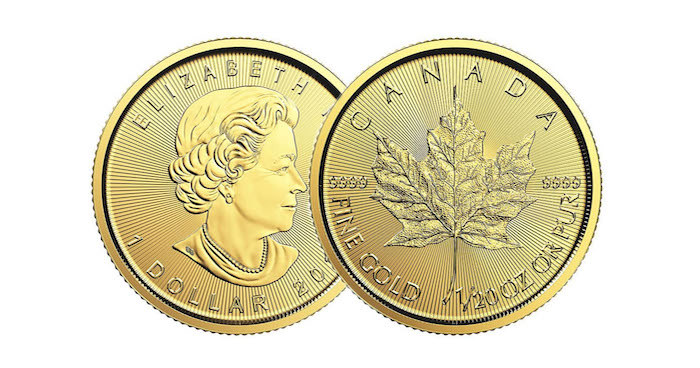
Gold coins are popular among both investors and collectors. Coins like the Krugerrand, American Eagle, and Canadian Maple Leaf are widely recognised and traded, making them highly liquid. Coins often have higher premiums than bars, especially for limited edition or rare types.
Gold jewellery, valued for its aesthetic appeal, can also be an investment. However, due to its craftsmanship, it typically carries a higher markup, making it less cost-effective compared to bars and coins. Jewellery may not retain its value as well as other forms of physical gold, particularly if it is not of high purity.
Gold Mining Stocks: A More Aggressive Approach
Gold mining stocks offer a way to invest in gold indirectly by purchasing shares in companies involved in gold mining. This approach can provide higher returns compared to physical gold, as the value of mining stocks is influenced not only by the price of gold but also by the company’s operational performance.
Investing in gold mining stocks is generally considered more aggressive and risky than investing in physical gold. The value of mining stocks can be affected by various factors, including the company’s production costs, management efficiency, and geopolitical risks in the countries where the mining operations are located.
Gold mining stocks also offer the potential for dividends, which can provide income to investors. Additionally, mining stocks can outperform physical gold during rising gold prices, offering substantial capital appreciation.
Gold Mutual Funds: Diversification in One Investment
Gold mutual funds allow investors to gain exposure to gold by pooling their money with other investors to purchase a diversified portfolio of gold-related assets. These funds typically invest in a combination of physical gold, gold mining stocks, and other gold-related securities.
One of the main advantages of gold mutual funds is diversification. By investing in a range of assets, these funds reduce the risk associated with investing in a single asset, such as physical gold or individual mining stocks. Gold mutual funds also offer professional management, as fund managers make investment decisions on behalf of the investors.
However, gold mutual funds come with management fees, which can impact overall returns. The performance of these funds is influenced by the broader market and economic conditions, making them less stable than physical gold.
Digital Gold: Convenience Meets Security
Digital gold offers a modern and convenient way to invest in gold without physical ownership. Digital gold allows investors to buy and store gold online, held in secure vaults by the service provider.
The main advantages of digital gold are its convenience and security. Investors can buy and sell gold instantly through online platforms without worrying about storage or insurance. Digital gold also allows for fractional ownership, making it accessible to a broader range of investors.
However, digital gold investments depend on the platform’s integrity and security. Investors must ensure they are using a reputable provider to avoid the risk of fraud or platform failure. Additionally, while digital gold is convenient, it does not provide the same tangible satisfaction as owning physical gold.
Gold-Backed Securities: Combining Gold’s Stability with Market Flexibility
Gold-backed securities, such as gold ETFs or gold-backed bonds, offer a way to combine the stability of gold with the flexibility of the stock or bond markets. Financial institutions typically issue these securities, which are backed by physical gold.
Gold-backed securities expose investors to gold prices without requiring them to own or store physical gold. They offer liquidity and can be easily traded on stock exchanges or through financial markets.
One key benefit of gold-backed securities is their ability to offer both stability and flexibility. Investors can gain exposure to gold’s price movements while also benefiting from the ease of trading and the potential for income generation through interest or dividends. Like other securities, they are subject to market risks, and their value can fluctuate based on broader economic conditions.
How to Start Investing in Gold
For those new to gold investing, getting started can seem daunting. However, investing in gold can be straightforward and rewarding with the right approach and guidance.
The first step is determining the gold investment type that best suits your needs. As discussed earlier, you can choose from physical gold, gold ETFs, gold mining stocks, and digital gold, among others. Each type of investment has pros and cons, so it’s important to research and select the option that aligns with your investment goals.
Next, consider your budget and how much you want to invest in gold. You can start with small amounts and gradually increase your investment as you become more comfortable with the market.
Finally, it is important to choose a reputable platform or provider for your gold investment. Whether you’re buying physical gold, investing in ETFs, or purchasing digital gold, use a trusted and reliable source to ensure the safety and security of your investment.
Common Mistakes to Avoid When Investing in Gold
Investing in gold can be a rewarding experience, but it’s essential to avoid common mistakes that can lead to financial losses. One of the most common mistakes is failing to diversify. While gold can be a valuable asset, relying too heavily on it can expose you to unnecessary risk. It’s important to include a mix of assets in your portfolio to achieve a balanced investment strategy.
Another mistake is not understanding the costs associated with gold investments. Whether you’re investing in physical gold or gold ETFs, fees are often involved, such as storage costs, insurance, and management fees. These costs can eat into your returns, so it’s important to factor them into your investment decision.
Timing the market is another common pitfall. Gold prices can be volatile, and trying to time the market can lead to significant losses. Instead of attempting to predict short-term price movements, focus on your long-term investment goals and avoid making impulsive decisions based on market fluctuations.
Finally, it’s important to do your due diligence before investing in gold. This includes researching the different types of gold investments, understanding the risks and benefits, and consulting with a financial advisor if needed. By taking a thoughtful and informed approach, you can avoid common mistakes and make the most of your gold investment.
Why Consider Gold Investments for Your Gold Portfolio?
Choosing Gold Investments for your precious metal acquisitions means tapping into our vast expertise and unwavering commitment to excellence. With more than four decades of experience since our establishment in 1981, we have built a strong reputation and earned the trust of countless clients. Our competitive pricing, 24/7 online purchasing options, and insured delivery guarantee a convenient and secure buying process.
We offer a wide selection of gold and silver bars and coins, all sourced from renowned mints and LBMA-approved refiners. Our team is not only highly professional and well-informed but also approachable, ensuring you receive expert advice at every stage. Whether you’re buying gold for the first time or expanding your portfolio, our aim is to help you make informed decisions that enhance your investment opportunities.
What sets us apart is our dedication to service excellence and transparency. We ensure that every transaction is smooth and secure, giving you confidence and peace of mind as you invest in precious metals.
Real-Time Gold Prices: Stay ahead of market trends with our real-time gold prices tracker, offering live updates in GBP and USD. This tool helps you make informed decisions on buying or selling gold by providing accurate and timely data, crucial for optimising your investment strategy.
Secure Vault Storage: Ensure the safety of your precious metals with our secure vault storage at the London Silver Vaults. For £4.00 per ounce per year (minimum £25 annually), enjoy competitive rates with discounts for larger quantities. Your metals are fully insured, independently audited, and stored separately from our business operations, guaranteeing top-notch security.
Exclusive Gold Club Membership: Enhance your investment experience with our Gold Club, offering exclusive benefits such as easy online transactions, regular market updates, and access to a wider range of coins, including rare and collectible pieces. Enjoy additional perks like monthly prize draws and customised performance graphs to track your investments effectively.
Reach Out to Us for Your Gold Investment Needs
Ready to explore the world of gold investment? Contact us on 020 7283 7752 for expert advice and guidance on purchasing gold through Gold Investments. Whether you’re a personal investor or part of an institution looking to enhance your portfolio, we’re here to simplify the process and ensure you make informed decisions.
Our website offers live gold prices, keeping you up-to-date with the latest market trends so you can make confident investment choices. Let us help you navigate the gold market and achieve your investment goals with ease and expertise. Reach out today and start your journey to gold investment success!